
six tastes (Rasa) & ayurveda
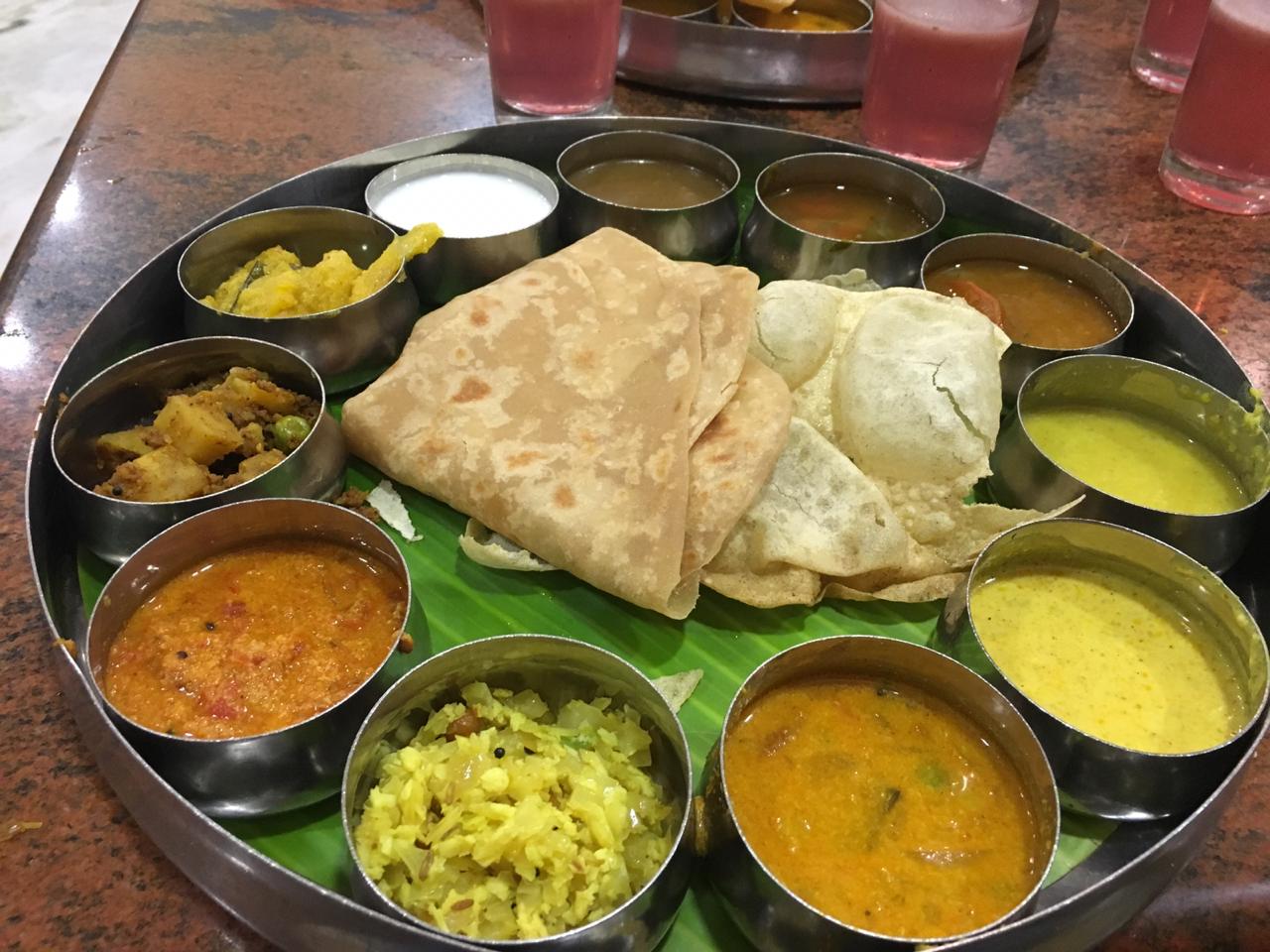
In Ayurveda we categorise food differently to the western approach. If you have looked at the Ayurvedic view on food you may have noticed for example that we don’t talk about proteins and carbohydrates. Instead we use a system of different tastes.
All of the various foods available to us have different tastes. The way that the body responds to these may vary from person to person. We all know someone who likes a lot of sweet foods and perhaps another person who enjoys the sour taste. This is because we are all different. All of our genetic and physical as well as psychological and emotional make up is completely unique, for each and every single individual. No two people are the same, ever. This awareness is the cornerstone of Ayurveda and its approach to health, especially food.
In addition to the initial taste we experience from many food there is also a post digestive taste (vipaka) that occurs and specific combinations of foods that should be avoided. This is also taken into account in the Ayurveda approach. In order to understand how the six tastes work it is helpful to understand a little about the elements and doshas, so I have incorporated this below.
Let us the explore these different tastes and how they can affect the body and mind.
The six tastes are, sweet, sour, salty, bitter, pungent and astringent. I’ll discuss each one in turn.
Sweet (Madhura)
When we think of sweet we may link this to feeling comforted and grounded. This is because it increases the elements of earth and water in our physiology. When these elements are increased our kapha dosha can increase because it is also Eartha and water elements. Therefore the sweet taste can increase kapha, and decrease pitta and vata doshas. Examples of sweet foods include rice, root vegetables, honey, milk.
Sour (Amla)
The sour taste is liked by some people and not others, It is made of the fire and earth elements. Because pitta dosha has fire as well as kapha dosha containing earth it can aggravate or increase both of these doshas. It can calm or pacify vata dosha. Examples of the sour taste are citrus fruit, fermented foods, pickles, yoghurt, sourdough, alcohol.
Salty (Lavana)
Culturally we can eat a lot of salt. This isn’t always bad but it does depend on your dosha type. Salt consists of fire and water elements, which are found in pitta dosha and kapha dosha. Therefore too much salty food can increase pitta and kapha doshas. It is calming for vata dosha which doesn’t contain any fire or water. Salty foods include sea vegetables, sea salt, tamari, black olives.
Bitter (Tikta)
The bitter taste contains air and ether elements. Vata dosha consists of air and ether elements. Therefore the bitter taste will aggravate or increase vata dosha. It will help to decrease excess pitta (fire and water) and also kapha (earth and water) doshas. An example of bitter foods are green leafy vegetables, aubergine, some spices, coffee and tea.
Pungent (Katu)
Pungency comes from the elements of air and fire, hence it will aggravate or increase pitta (fire and water) and vata (air and ether) doshas. It will help to calm excess kapha dosha. Examples of the pungent taste (which is used so frequently in many foods) are onions, garlic, ginger, chilli and hot spices.
Astringent (Kasha)
The astringent taste is drying. It is formed by the elements of ether and earth. The doshas that contain these elements are kapha (earth) and vata (ether). However because of its drying out nature (think of pomegranate juice) it is contraindicated for vata dosha. It will calm pitta and also help to balance out kapha dosha (both of which contain water). Examples of astringent foods are beans and lentils, dried fruit (unsoaked), pomegranate, some spices, coffee, tea and dry raw foods.
It is important to understand that our dosha state is not fixed. How we are from day to day, season to season and as we move through life can and will shift and change. Because of this our food needs will constantly need some kind of adaptation. We never completely omit a taste because this in itself will create further imbalance, but we might have more or less of something for a while depending on our condition. If we can understand the basics as above, then take into account the season and our overall state of health we can being to work with these six tastes to create some balance and equilibrium for ourselves. In addition if we can utilise local (wherever we are) and seasonal foods then these are generally what is needed our body and mind at that time in order to obtain and maintain our optimum state of well being.
For more information or to discuss your individual needs please contact me